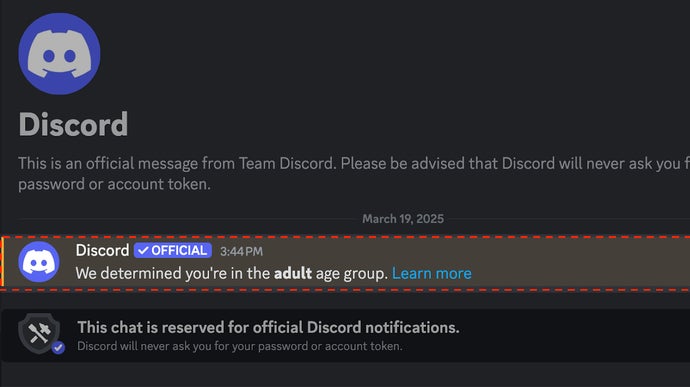

Discord roll out revised age verification following delay due to pushback, pledging to be "safer for teens, same Discord for Adults"
Discord has recently pushed out a revamped global age verification system, a move that follows an earlier, ill-fated attempt to implement similar measures. The initial rollout, which occurred earlier this year, faced significant user backlash, primarily rooted in privacy concerns. Users were reportedly wary of providing sensitive personal information required for verification, leading Discord to pull back and re-evaluate its approach.
The revised system, according to Discord, aims to strike a balance: making the platform "safer for teens" while ensuring it remains the "same Discord for Adults." This suggests that the new verification process will likely lead to differentiated experiences or content access based on a user's verified age. The push for age verification often stems from regulatory pressures, a need to comply with child safety laws, and a desire to curb minors' access to age-inappropriate content.
While specific details on the how of this new system are still emerging, the underlying motivation is clear: protect younger users without alienating the adult user base. The challenge for Discord, as with any platform attempting such a system, will be to implement robust age gating that is effective, minimally intrusive, and gains user trust, especially after the previous privacy-centric uproar. The success of this revised rollout will heavily depend on its transparency and ease of use.
Our take
Live commentary on a developing story, not a final verdict.
Another day, another platform trying to tiptoe the tightrope between safeguarding minors and not becoming a dystopian data-hoovering machine. Discord's latest age verification push sounds like a desperate plea to regulators while simultaneously trying to reassure its adult user base, 'Don't worry, we won't mess up your meme channels!' The previous privacy-based backlash was entirely predictable – no one wants to hand over their ID to a server known for edgy communities and late-night gaming sessions.
It's a noble goal, making things 'safer for teens,' but the execution is where these initiatives often fall flat. Will this simply push younger users to find ever more creative workarounds, or will it genuinely create a more secure environment? And what about the 'same Discord for adults' promise? History has shown that when platforms start partitioning experiences, it often leads to a more sanitized, less vibrant ecosystem for everyone. Let's hope Discord manages to avoid turning into a digital Chuck E. Cheese for its adult users.
Ultimately, this is a prime example of the ongoing struggle between platform responsibility, user privacy, and the ever-present demand for 'free' online content. Discord's ability to navigate this without sparking another wave of user rebellion will be a telling test of their development agility and user-centric design.
This is our take on a developing story, not the final word — read the original reporting at Rock Paper Shotgun ↗