
Level-5 Promises To Fix Yo-Kai Watch 2 And Professor Layton Presentation In The Wake Of AI Backlash And Explains That Many Of Its Artwork Mistakes Were Simply Down To Human Error
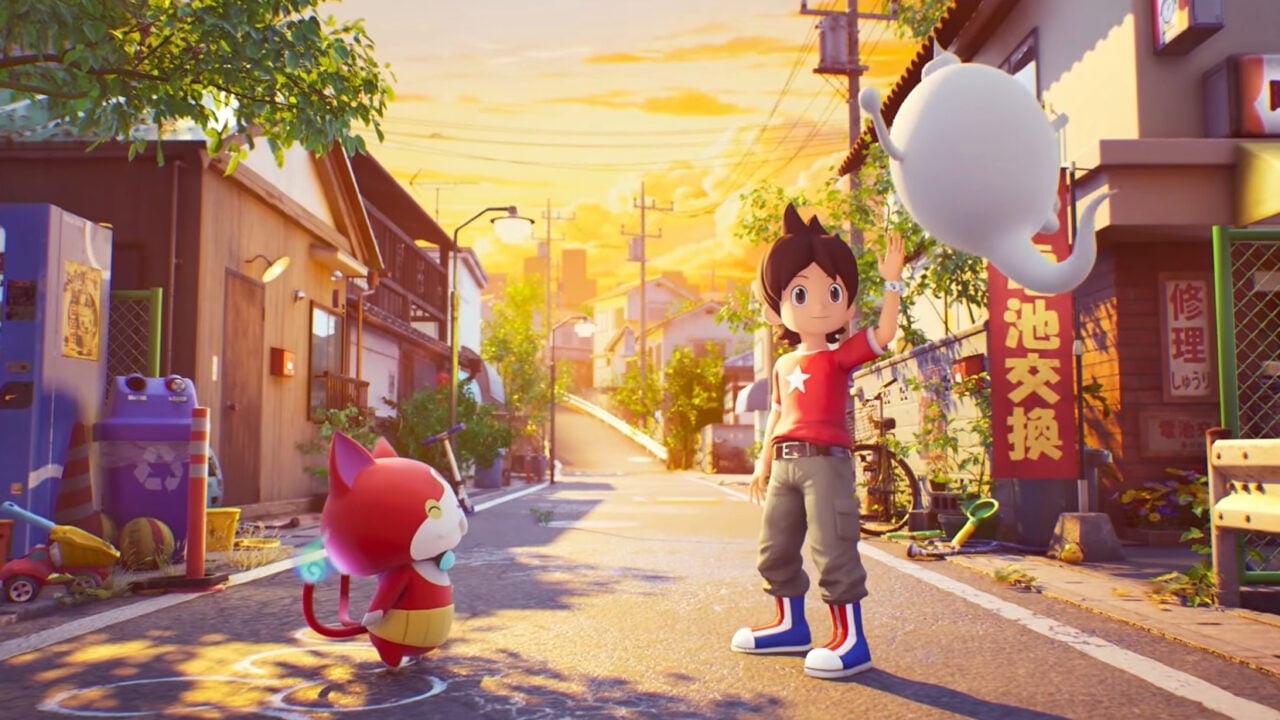
Gaming studio Level-5 recently found itself in the hot seat after its presentations for upcoming titles, including "Yo-Kai Watch 2" and "Professor Layton," during a Nintendo Direct event, sparked a firestorm of online criticism. Viewers were quick to point out what they perceived as glaring visual inconsistencies, awkward compositions, and an overall 'off' aesthetic in the promotional artwork and in-game snippets. The immediate and widespread consensus across social media and gaming forums was that Level-5 had leaned heavily on AI-generated art, leading to what many derisively termed 'AI slop.'
The backlash was swift and intense, with fans expressing disappointment and concern that a beloved developer would seemingly cut corners using generative AI, especially given the current industry climate surrounding its ethical implications and impact on human artists. Screenshots and clips highlighting particularly egregious examples of what looked like AI artifacts – distorted hands, illogical backgrounds, or repetitive patterns – circulated rapidly, fueling the outrage.
In response to the significant public outcry, Level-5 has now addressed the controversy directly. The company clarified that the perceived 'AI slop' elements were not, in fact, the result of artificial intelligence, but rather a consequence of 'human error' exacerbated by the rushed production schedule for the Nintendo Direct segment. They admitted to mistakes in the artwork and presentation and have promised to rectify these visual issues in the final products for both "Yo-Kai Watch 2" and "Professor Layton," aiming to deliver a polished experience free from such perceived flaws.
Our take
Live commentary on a developing story, not a final verdict.
Oh, Level-5, you just love to keep us entertained, don't you? First, the long silences, then the sudden deluge of announcements, and now a very public walk-back from 'AI slop' accusations. It's almost too perfect for the internet drama cycle. The gaming community has become a hyper-vigilant watchdog against AI art, and frankly, who can blame them? When you drop something that looks like it was generated by a bot struggling with basic anatomy, people are going to notice. The instant accusations were practically inevitable in this climate.
Level-5's explanation of 'human error' due to a 'rushed nature' is... convenient. While it's entirely plausible that a fast-paced development cycle can lead to less-than-stellar presentation quality, it also feels like the go-to excuse when something looks suspiciously like AI without actually wanting to admit to using it. Either way, it highlights a crucial point: whether it's an overworked artist making a blunder or a poorly prompted AI, the end result was jarring enough to trigger a full-blown online inquest. Maybe slow down, get more eyes on it, or just, you know, pay artists properly so they don't have to rush their work into uncanny valley.
Still, credit where it's due for the swift response and promise to fix things. In the court of internet opinion, a quick admission and a pledge to improve can go a long way. But this whole kerfuffle serves as a stark reminder to every dev out there: if your presentation visuals are anything less than pristine, expect the pitchforks and AI detectors to come out swinging. The internet doesn't forget, and it certainly doesn't forgive perceived corner-cutting lightly.
This is our take on a developing story, not the final word — read the original reporting at Kotaku ↗