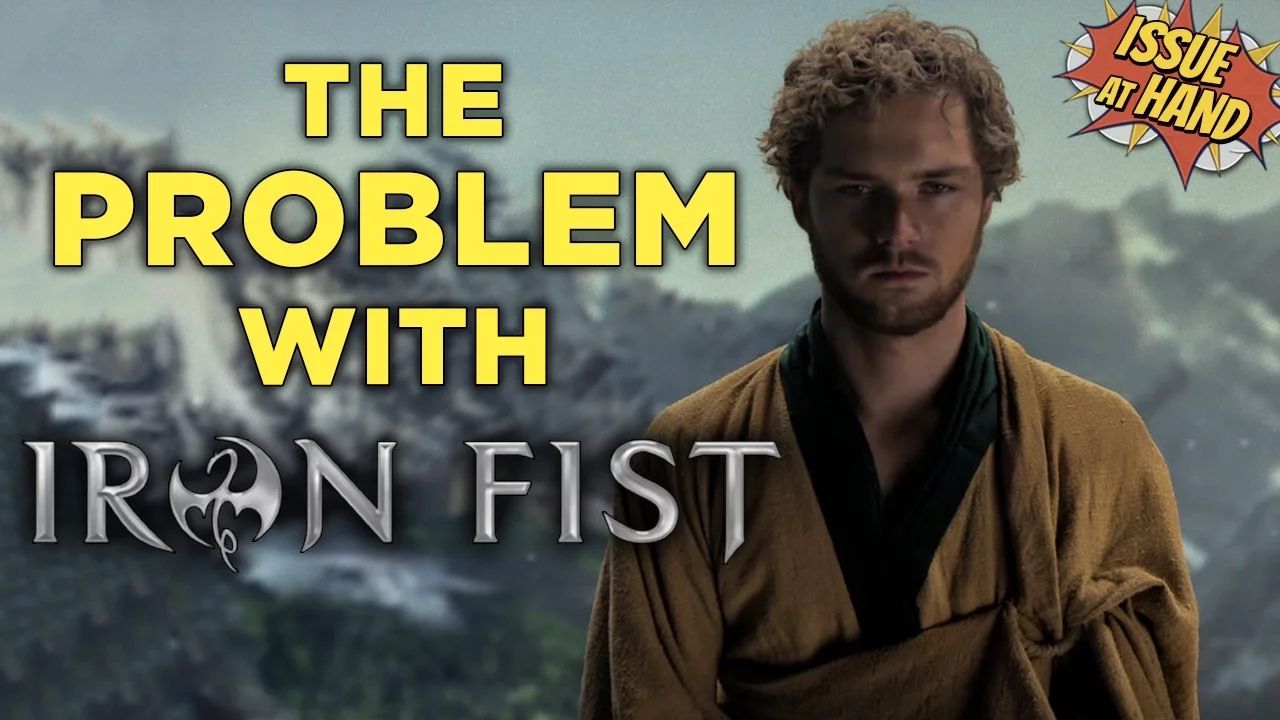

The Problem with Netflix's Iron Fist
Netflix's adaptation of the Marvel comic character Iron Fist has ignited significant debate and backlash online, with the series drawing criticism almost immediately upon its release. The core of this controversy, as widely reported and discussed, revolves specifically around the character's portrayal and, notably, questions surrounding his race and broader cultural representation within the narrative.
Media outlets have been keen to unpack the historical context of Iron Fist, examining why his racial identity in the source material became a flashpoint for modern audiences. Experts like Susana Polo, Polygon's resident comic authority, and Alex Abad-Santos from Vox, have been slated to delve into the character's origins and analyze the precise reasons behind the public's strong reaction to the Netflix interpretation. The discussions often center on how a character created in a different era translates—or fails to translate—to contemporary sensibilities regarding diversity and appropriation.
The ongoing conversation highlights a significant tension in adapting long-standing comic properties: balancing fidelity to the source material with evolving societal expectations for representation. The uproar around Iron Fist demonstrates that audiences are increasingly scrutinizing how these stories are told and who gets to tell them, demanding a more thoughtful approach to established archetypes, especially when race and cultural heritage are central to the character's narrative.
Our take
Live commentary on a developing story, not a final verdict.
Ah, another day, another adaptation stirs the pot! Netflix's Iron Fist apparently crashed onto the scene not with a bang, but with a chorus of groans over its choices. It's almost predictable at this point: drop a beloved (or at least, long-standing) character into a new medium, and watch the internet collective descend into a frenzy over every perceived misstep. And when race and cultural representation are involved? Buckle up, buttercups, because that's a one-way ticket to a full-blown digital drama.
It’s always fascinating to see how these discussions play out. On one hand, you've got the purists, clinging to every panel of the original comic. On the other, you've got the contemporary critics, rightly pointing out that what flew in the 70s might land with a thud (or worse, outright offense) today. The fact that outlets like Polygon and Vox are bringing in the big guns to dissect the controversy tells you it's not just a casual gripe; it's touching a nerve about how we re-imagine our heroes for a world that's supposedly moved past some of the more… quaint sensibilities of yesteryear. You'd think by now, studios would anticipate these exact issues.
Ultimately, whether you're team 'original intent' or team 'modern relevance,' the Iron Fist kerfuffle is a stark reminder that in the age of endless content, every creative decision is put under a microscopic, crowd-sourced lens. It's not just about telling a good story anymore; it's about navigating a cultural minefield where one wrong step can turn your multi-million dollar production into a cautionary tale. Maybe next time, they'll just ask the internet first. Just kidding. Please don't do that.
This is our take on a developing story, not the final word — read the original reporting at Polygon ↗