
Paradox's grand strategy game Afterworld hasn't got a fixed history, it changes with every playthrough
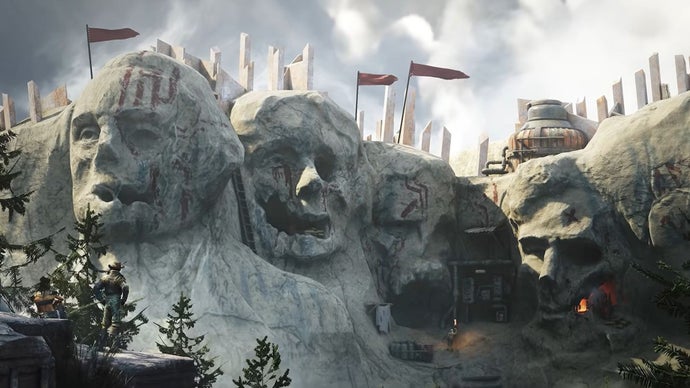
Paradox Interactive is gearing up to launch "Afterworld," a new grand strategy title set in a post-apocalyptic North America. What sets this upcoming game apart is its innovative approach to replayability: rather than a fixed historical backdrop, each new campaign dynamically generates a unique 200-year history for the game world.
This procedural generation means that upon starting a new game, a "virtual historian" crafts an entirely new narrative of how the great war unfolded. This includes critical details like the specific locations of nuclear missile impacts, where flesh-eating nanites were unleashed, and the deployment of lung-bubbling chemical weapons. Crucially, it also determines which populations survived these cataclysms and where.
The consequence of this ever-changing backstory is a dramatically different starting map and set of conditions with every single playthrough. Game director Dan Lind emphasizes that this flexibility is paramount, stating that without it, much of the game's sense of exploration would be undermined. Players are promised a fresh, unpredictable experience, forcing adaptation rather than relying on rote memorization of optimal strategies.
Our take
Live commentary on a developing story, not a final verdict.
Okay, Paradox is out here trying to redefine "grand strategy" with "Afterworld," and frankly, this procedural history gimmick sounds like a double-edged sword for the internet's perpetually online strategists. On one hand, say goodbye to a stagnant meta! No more endless YouTube tutorials showing "the best starting moves for Byzantium" when Byzantium might not even exist in your particular shattered wasteland, or if it does, its neighbors are wildly different. This could genuinely prevent the kind of hyper-optimized, soul-crushing gameplay that turns some communities into an echo chamber of "the one true way to win."
But let's be real, this also introduces a whole new flavor of chaos for content creators and forum warriors. How do you stream a campaign when your viewers have no idea what the hell you're even dealing with because their own game generated a completely different scenario? And the arguments! Imagine trying to debate strategies when everyone's baseline "reality" is fundamentally skewed. "Oh, you just got lucky with the soft northern flank!" "No, my nanite-infested coast was clearly harder than your chemical-blighted plains!" It's a recipe for glorious, utterly unresolvable internet squabbles.
Ultimately, while the developers claim it's for "exploration," we all know what this means: Paradox is trying to milk every last drop of replayability out of a single game. And honestly, kudos to them if it works. A constantly shifting battlefield might just be the jolt these strategy communities need to stop dissecting every pixel and start actually, you know, playing and adapting. Or, more likely, it'll just lead to a fresh wave of confused rage-quits and forum posts demanding a "seed" option for "fair" comparisons. Digital drama, indeed.
This is our take on a developing story, not the final word — read the original reporting at Rock Paper Shotgun ↗