
Magic: The Gathering's Latest Set Officially Confirms Its Big Multiverse Problem
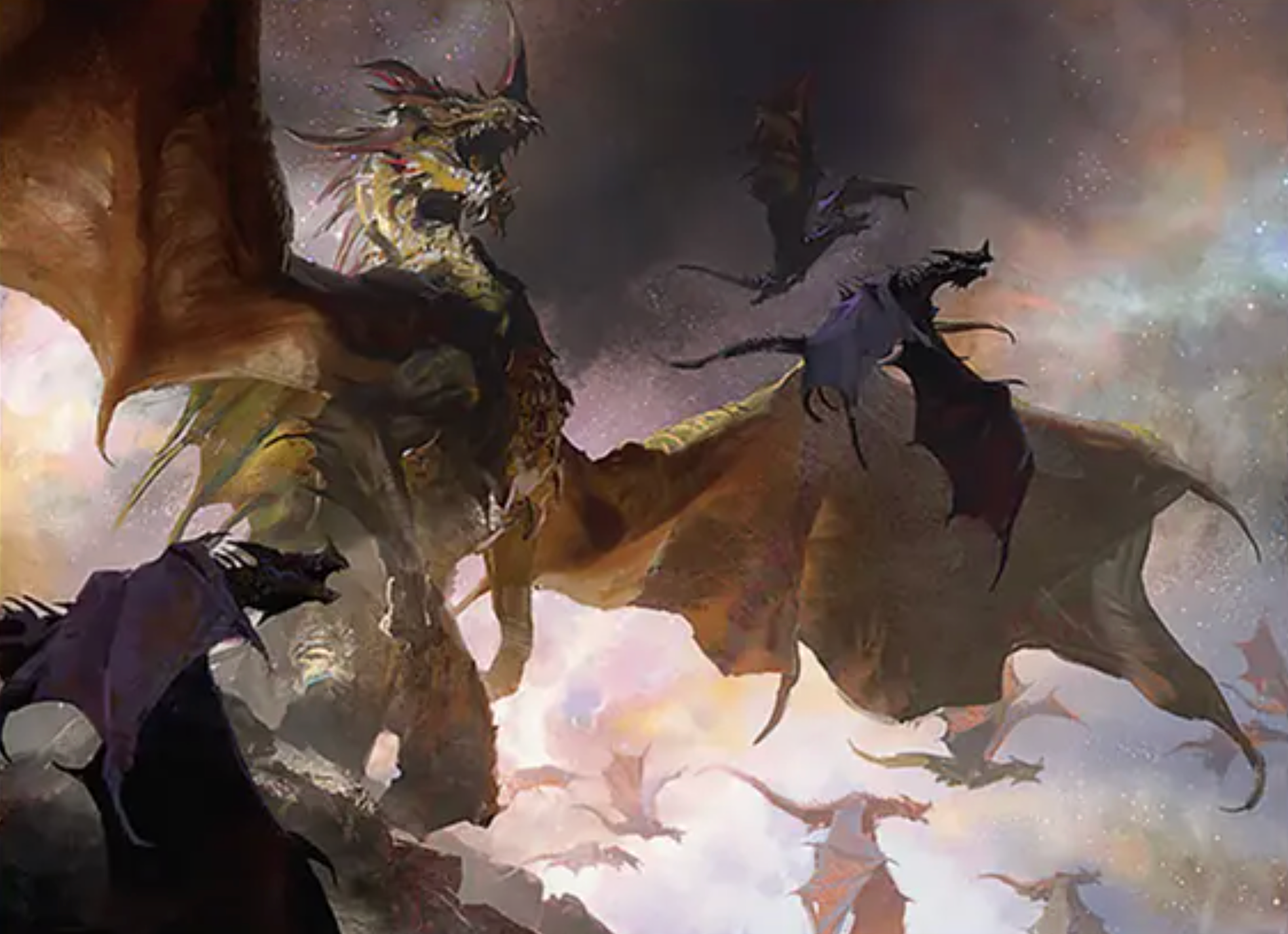
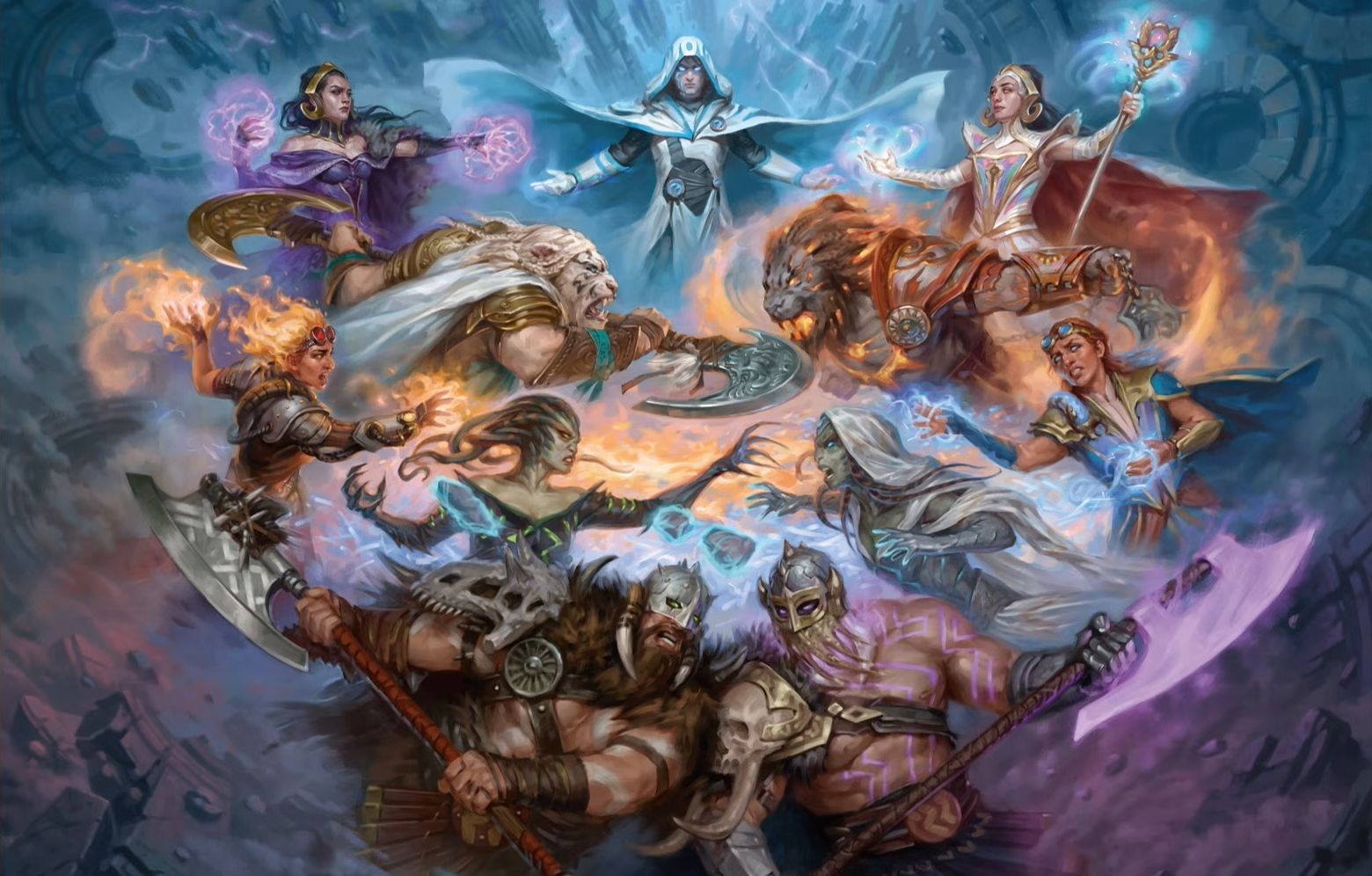
The popular trading card game, Magic: The Gathering, is reportedly facing significant narrative challenges, particularly highlighted by its latest set, "Reality Fracture." The core issue identified is a pervasive "Multiverse problem," where the ongoing escalation of stakes in its grand, universe-spanning storylines is paradoxically making them feel less meaningful and emotionally impactful to players.
This narrative fatigue stems from a continuous drive to present threats of ever-increasing scale. When every conflict involves the fate of entire planes or the Multiverse itself, individual character arcs and localized events tend to get overshadowed. The sheer scope can dilute the emotional weight of plot points, as player investment in characters or specific worlds is stretched thin across an endlessly expanding cosmos, making it difficult for dramatic moments, even deaths, to resonate when they feel less personal or potentially reversible.
Magic: The Gathering has built an incredibly rich lore over decades, but its recent trajectory has seen a shift towards these more epic, overarching Multiversal sagas. While initially exciting, this approach, exemplified by the "Reality Fracture" set, now appears to be a double-edged sword. It has led to a growing sentiment within the community that the storytelling is prioritizing spectacle and grandiosity over coherent, character-driven narratives that previously drew players deep into its worlds.
Ultimately, the problem exposed by "Reality Fracture" isn't just about big threats; it's about the diminishing returns of constantly upping the ante. Players are reportedly finding it harder to connect with stories where the stakes are so astronomically high that they lose their human element, leading to a sense of detachment from what should be the game's most engaging narrative experiences.
Our take
Live commentary on a developing story, not a final verdict.
Oh, look, another sprawling fictional universe has tripped over its own ambition! Magic: The Gathering's "Multiverse problem" isn't just a specific criticism; it's practically a genre in itself at this point. When you're constantly promising the end of everything, eventually 'everything' starts to feel a lot like 'nothing.' It's like going to a fireworks show where every single burst is the grand finale – impressive at first, but ultimately exhausting and devoid of true build-up or impact. The "Reality Fracture" set seems to be the latest, very loud alarm bell, signaling that bigger isn't always better, and oftentimes, it's just more boring.
For a game so intricately tied to its lore and world-building, this narrative fatigue is more than just a minor hiccup; it's a potential Achilles' heel. Magic players aren't just here for the cardboard rectangles; many are deeply invested in the planeswalkers, the planes, and the epic clashes. If those stories start to feel like a meaningless cycle of universe-ending threats, what's left to really care about beyond the immediate meta? It risks turning what was once a vibrant tapestry of worlds into a flat, predictable series of cataclysms where no victory truly matters because the next, even bigger threat is always lurking.
Perhaps it's time for Wizards of the Coast to hit the narrative reset button – or at least, the narrative downscale button. Forget saving the Multiverse for a minute. Give us a grounded, compelling story about a single plane, a handful of characters, and stakes that, while significant to them, don't necessarily involve the fabric of reality unraveling. Sometimes, less truly is more, especially when your "more" has become so utterly overwhelming it's lost all its punch.
This is our take on a developing story, not the final word — read the original reporting at Polygon ↗